The 30 Day Illusion: The Hormuz Blockade, Washington's Waiver, and India's True Energy Buffer
It is incredibly easy to look at the global energy map right now and panic.
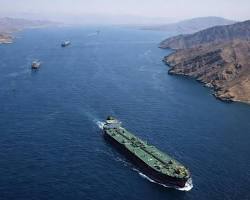
In early March 2026, the US Israel Iran conflict escalated rapidly, bringing traffic through the Strait of Hormuz to a virtual halt. This is a maritime chokepoint that handles roughly 20 percent of global seaborne crude trade. Brent crude violently repriced, surging past $94 per barrel.
Almost overnight, two narratives hijacked the financial media.
First, that India only has about 30 days of fuel capacity left to survive a blockade. Second, that the US Treasury magnanimously granted India permission via a 30 day waiver to purchase stranded Russian oil.
Both narratives misunderstand the math.
And both misunderstand the leverage.
Here is the actual macroeconomic reality of India’s energy defenses.
The 30 Day Illusion vs The 74 Day Reality
Panic thrives on incomplete data.
The circulating rumor that India only has 25 to 30 days of fuel capacity stems from a misreading of specific inventory metrics. It is true that India holds approximately 144 million barrels of raw crude in specific onshore storage tanks, which equates to roughly 30 days of coverage.
But oil storage is a multi layered system.
When you account for the full picture, India holds a combined buffer of over 250 million barrels of crude oil and refined petroleum products. That is nearly 4,000 crore litres of energy security, distributed across four distinct layers:
- ISPRL Underground Caverns: 9.5 days — pure strategic emergency reserves held in underground rock caverns at Mangalore, Padur, and Visakhapatnam
- OMC Commercial Crude Storage: approximately 30 days — crude held at refineries for daily operational continuity
- Refined Products and Transit: approximately 34.5 days — floating storage, pipelines, and retail supply buffers
- Total national buffer: 74 days
India does not have a 30 day ticking clock.
It has a seven to eight week operational runway to execute managed sourcing adjustments before experiencing a true supply emergency.
The Washington Waiver: Diplomacy or Desperation?
The second major headline this week was US Treasury Secretary Scott Bessent issuing a 30 day emergency waiver allowing Indian refiners to purchase Russian oil stranded at sea.
Many framed this as Washington doing New Delhi a favor.
The reality is far more pragmatic.
The US did not issue this waiver to protect India. They issued it to protect the global oil market.
With the Strait of Hormuz choked and Iranian supplies volatile, the global market cannot afford to have millions of barrels of Russian crude locked out of the system. If that stranded oil does not flow to Indian refineries, Brent could easily breach $110 to $130 per barrel. That would trigger a stagflationary shock at precisely the moment central banks were planning to cut rates.
By utilizing the 30 day window, Indian refiners are stepping in as the global shock absorber.
They are buying the stranded Russian cargoes, keeping global supply somewhat balanced, and preventing a far more destructive price spiral.
Washington needs this as much as New Delhi does.
The Macro Impact on the Rupee and CAD
Strategic reserves protect against physical shortages. They do not protect against the financial cost of $94 oil.
For India, every single dollar increase in the price of a barrel adds roughly $2 billion to our annual import bill. We currently import close to 89 percent of our crude requirements.
A sustained Hormuz blockade creates a cascading macroeconomic threat:
- Current Account Deficit: The import bill widens significantly, erasing the gains accumulated during the discounted Russian oil era
- Currency pressure: A higher import bill requires selling more Rupees to buy Dollars, forcing RBI intervention to contain sharp depreciation
- Imported inflation: Higher freight costs, war risk insurance premiums, and longer rerouting distances feed directly into landed crude prices. If OMCs absorb these costs, their margins collapse. If they pass them on, transport and core inflation accelerate.
Leverage in a Fractured World
We are witnessing the exact scenario our strategic reserves were built for.
The days when India’s energy security rose and fell with conditions at a single maritime chokepoint are over. Roughly 60 percent of our crude now arrives via unaffected alternative routes from Russia, West Africa, the Americas, and Central Asia.
Our domestic 20 percent ethanol blending program is quietly displacing 44 million barrels of crude oil annually, reducing the base exposure further.
The next 74 days will be a brutal test of global supply chains.
And the coming years will reveal whether this buffer becomes India’s greatest negotiating asset, or simply buys time before a deeper structural reckoning.
Sources
- Petroleum Ministry of India: Strategic Petroleum Reserves and Commercial Storage Data (2026)
- Reuters: Brent crude surges past $94 as Hormuz traffic halts amid US Israel Iran escalation (March 2026)
- Bloomberg: US Treasury issues 30 day waiver for Indian purchase of stranded Russian crude (March 2026)
- Ministry of Petroleum and Natural Gas: Ethanol Blending Programme — Annual Progress Report (2025-26)
Subscribe to Economic Frictions
Get independent analysis delivered to your inbox.
Instant unsubscribe link included in every email.
Secure Subscription • One-Click Unsubscribe