The EMI Trap: Why Your Salary Disappears on the First of Every Month
You are probably not getting richer. You are just getting access to more debt.
Look around. Every checkout page on your favorite shopping app now offers you a way to split your payment. A new smartphone is no longer a massive one time purchase of one lakh rupees. It is just a tiny, harmless payment of eight thousand rupees a month.
It feels like financial freedom. But in reality, it is a highly engineered trap.
The Indian economy is currently witnessing a massive explosion in unsecured credit. From personal loans to Buy Now Pay Later schemes, borrowing money has never been easier. But this easy money comes with a severe macroeconomic cost that is quietly draining the wealth of an entire generation.
Here is the simple economics of why your take home pay feels smaller than ever, and why the central bank is quietly pulling the alarm.
The Illusion of Affordability
In traditional economics, you save money to buy a product. The pain of handing over a massive stack of cash prevents you from buying things you cannot actually afford.
The EMI completely removes that psychological friction.
By slicing a massive price tag into tiny monthly payments, corporations create the illusion of affordability. You are no longer evaluating if you can afford the actual price of the television or the vacation. You are only calculating if you can squeeze one more small payment into your monthly budget.
But math is unforgiving. When you finance a depreciating asset—like a phone that loses half its value the moment you open the box—you are paying tomorrow’s money for yesterday’s consumption.
The Unsecured Debt Boom
Why are banks and financial apps pushing these loans so aggressively? Because the profit margins are massive.
When a bank gives you a home loan, they have the physical house as security. Because it is safe, the interest rate is relatively low. But a personal loan or a checkout EMI is completely unsecured. There is no asset for the bank to take back if you stop paying. To compensate for that massive risk, they charge you exorbitant interest rates, often buried in processing fees and hidden charges.
For the past few years, banks have been handing out these unsecured loans at record speed. It created a massive bubble of retail consumption. People were buying premium goods not because their salaries went up, but because their credit limits went up.
Why the Reserve Bank is Panicking
When millions of people start using expensive debt to buy daily consumer goods, the foundation of the economy gets very shaky.
The Reserve Bank of India recognized this danger. They realized that if the economy slows down or companies stop handing out massive salary hikes, a huge portion of the population will default on these personal loans.
To stop the bleeding, the central bank forced a major policy change. They ordered banks to increase their risk weights on unsecured retail loans. In simple, everyday terms: the RBI told banks they must keep a lot more of their own cash locked away safely in the vault for every risky personal loan they hand out.
By making it far more expensive for the banks to lend this money, the RBI is deliberately trying to cool down the market. They are actively trying to make it harder for you to get another quick loan.
The Wealth Destruction Cycle
So what does this mean for your wallet?
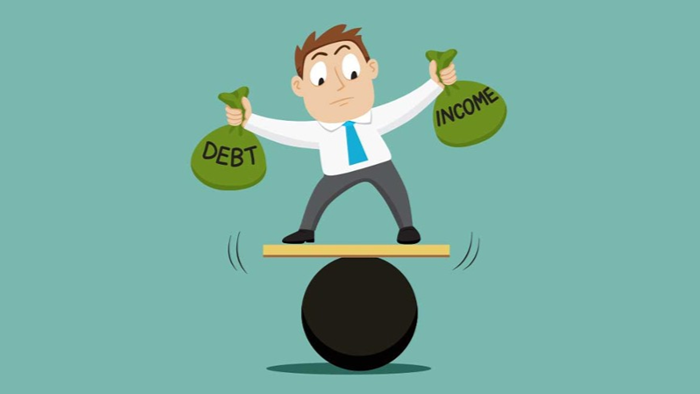
When you stack multiple EMIs together, you create a rigid wall of mandatory expenses. If forty percent of your salary is automatically deducted on the first day of the month to pay for past purchases, you have zero financial flexibility.
You cannot invest. You cannot build an emergency fund. You cannot absorb an unexpected medical bill or a sudden job loss.
True wealth is built by buying assets that pay you money over time. The modern EMI culture actively forces you to do the exact opposite. It convinces you to buy goods that lose value immediately, using money you have not even earned yet.
The next time you see a zero cost EMI offer, remember the basic rule of economics. Nothing is truly zero cost. You are always paying the price, usually with your own future financial freedom.
Sources & References
- Reserve Bank of India (2025): Policy circulars on tightening risk weights for unsecured consumer credit.
- Financial Express (2026): “The BNPL trap: How retail credit is outpacing income growth in urban India.”
- The Economic Times (2026): “Why the central bank is applying the brakes on easy personal loans.”
Subscribe to Economic Frictions
Get independent analysis delivered to your inbox.
Instant unsubscribe link included in every email.
Secure Subscription • One-Click Unsubscribe